
At Almighty Green Energy, we’ve seen India’s renewable energy story up close—from the glint of solar panels in Rajasthan to remote SCADA control rooms tracking megawatts in real time. And if there’s one thing we’ve learned from managing over 1300 MW AC of solar power plants Operations & Maintenance (O&M): scale is inspiring, but execution is everything.
By the year 2030, India has made a commitment to install 500 GW of capacity, which will not use fossil fuels. This isn’t just a number. It’s a climate promise, an industrial ambition, and a geopolitical signal.
But will we get there? Let’s break it down.

The target includes:
These figures are within the scope of India’s NDCs (Nationally Determined Contributions) and are reiterated in:
By 2030, the target is for renewable energy to make up half of India’s total power generation.

As of mid-2025, India has installed around 188 GW of non-fossil fuel capacity. To reach 500 GW:
Our insights from Almighty Energy reveal three daunting issues:
Power Evacuation Constraints
We discussed it in other places. Constructing a solar power plant in the middle of a desert serves no purpose without power evacuation lines to transport the generated power. The issues are more pronounced in regions with rich renewables like Rajasthan, Gujarat, and Tamil Nadu.
National Plans vs. Ground Reality
Policies like Ultra Mega Solar Parks, PM-KUSUM, and the Green Energy Corridor provide a robust policy structure, but their implementation on the ground by states has been less than reliable. From our experience, we can identify these recurring issues:
Local DISCOMs stalled in granting the necessary approvals, leading to significant project delays
Payments were not received for over six months.
Land use permits resulted in a quagmire that froze progress for entire quarters.
Skilled O&M and Technology Adoption
To maintain uptime and ensure ROI, reliability matters. With high-capacity solar and hybrid sites, advanced SCADA systems, predictive maintenance, and skilled asset managers are not optional. They are mission-critical.
What is the 500 GW transmission plan?
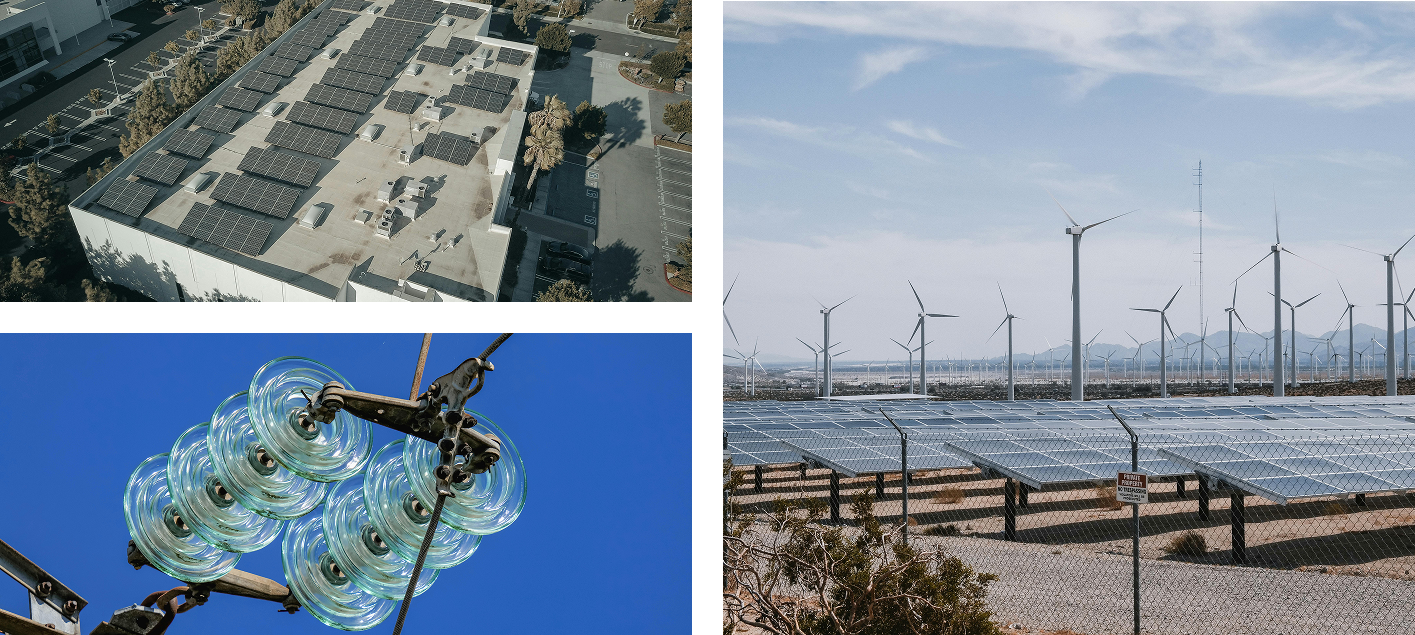
India plans to invest over ₹2.4 lakh crore under the Green Energy Corridor Phase II to build new substations and around 10,000 km of transmission lines by 2030. From our experience, transmission infrastructure must be planned ahead of generation, not behind it.
Which Indian missions support this goal?
These collectively aim to address both utility-scale and decentralized renewable growth.
What are the Panchamrit Goals?
Faster Clearances
We’ve seen single-window systems reduce clearance timelines from six months to six weeks. This must scale across states.
Data-Driven O&M
Our platforms, powered by AI, can prevent inverter disruptions, thereby minimising unplanned downtime by twenty per cent.
Hybrid Projects with Storage
Combining solar and wind with co-located batteries improves CUF and grid stability. These are already in operation across some of our managed assets.
Workforce Development
India needs not just engineers, but also technicians trained in solar maintenance, SCADA troubleshooting, and drone inspection. We are working with training partners to bridge this gap.
Looking Beyond 2030
Reaching 500 GW is not the finish line. It is the foundation for:
According to the Vision 2047 document, India is supposed to be both climate resilient and developed. Achieving this will require policy ambition along with execution on the ground.
Almighty Green Energy works towards the goals set. We ensure our active, ongoing, and daily optimisation of the goals. Be it a 10 MW rooftop or a 500 MW park, renewables can only be sustained through performance.
